DEI in Executive Pay: Adapting to a Shifting Landscape
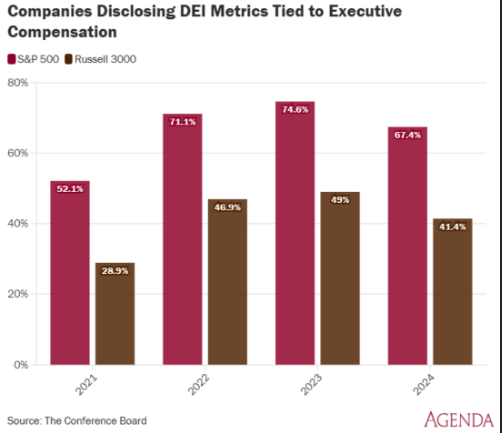
In recent years, diversity, equity, and inclusion (DEI) metrics have been key elements in executive compensation plans across major corporations. However, the prevalence of DEI-linked incentives has seen a decline. Although two-thirds of S&P 500 companies disclosed executive compensation plans tied to DEI goals last year, that figure is lower than in the previous two years.
This shift is occurring against the backdrop of a new presidential administration that is aggressively targeting DEI programs across both public and private sectors. As a result, companies are re-evaluating their approach. While most organizations are not abandoning DEI initiatives altogether, they are refining the language and framing of their goals to align with the evolving political and business climate. One compensation consultant told the Finacial Time’s Agenda, "But they are thinking about ways of describing them in a way that's more palatable."
The Numbers: Trends in DEI Metrics
A review of DEI-linked executive compensation across S&P 500 and Russell 3000 companies over the past four years shows a fluctuating commitment. While DEI goals remain a component of executive incentives, the way they are integrated and communicated continues to evolve.
As regulatory scrutiny and political shifts continue, corporate leaders must balance employee commitments with external pressures. Whether through adjustments in terminology or shifts in strategic focus, DEI remains a complex issue.