Building Belonging Where We Work
Rethinking DEI
The workplace is one of the last places where people from very different backgrounds come together to achieve a shared goal. But most DEI programs aren’t working. Here’s how we can rethink them:
In an era of increasing polarization, the workplace remains one of the last places where people of different identities, experiences, and beliefs come together to pursue a common goal. That makes it one of the most important environments for building the habits of pluralism that a diverse democracy requires.
Yet, too often, Diversity, Equity, and Inclusion (DEI) programs in workplaces and universities fall short. As Rachel Kleinfeld notes in her essay How To Fix DEI, many DEI initiatives fail to create lasting change—and some even deepen resentment. Mandatory trainings, guilt-based messaging, and rigid categories of “oppressor” and “oppressed” can backfire, pushing people further apart instead of closer together.
Why Workplaces Matter
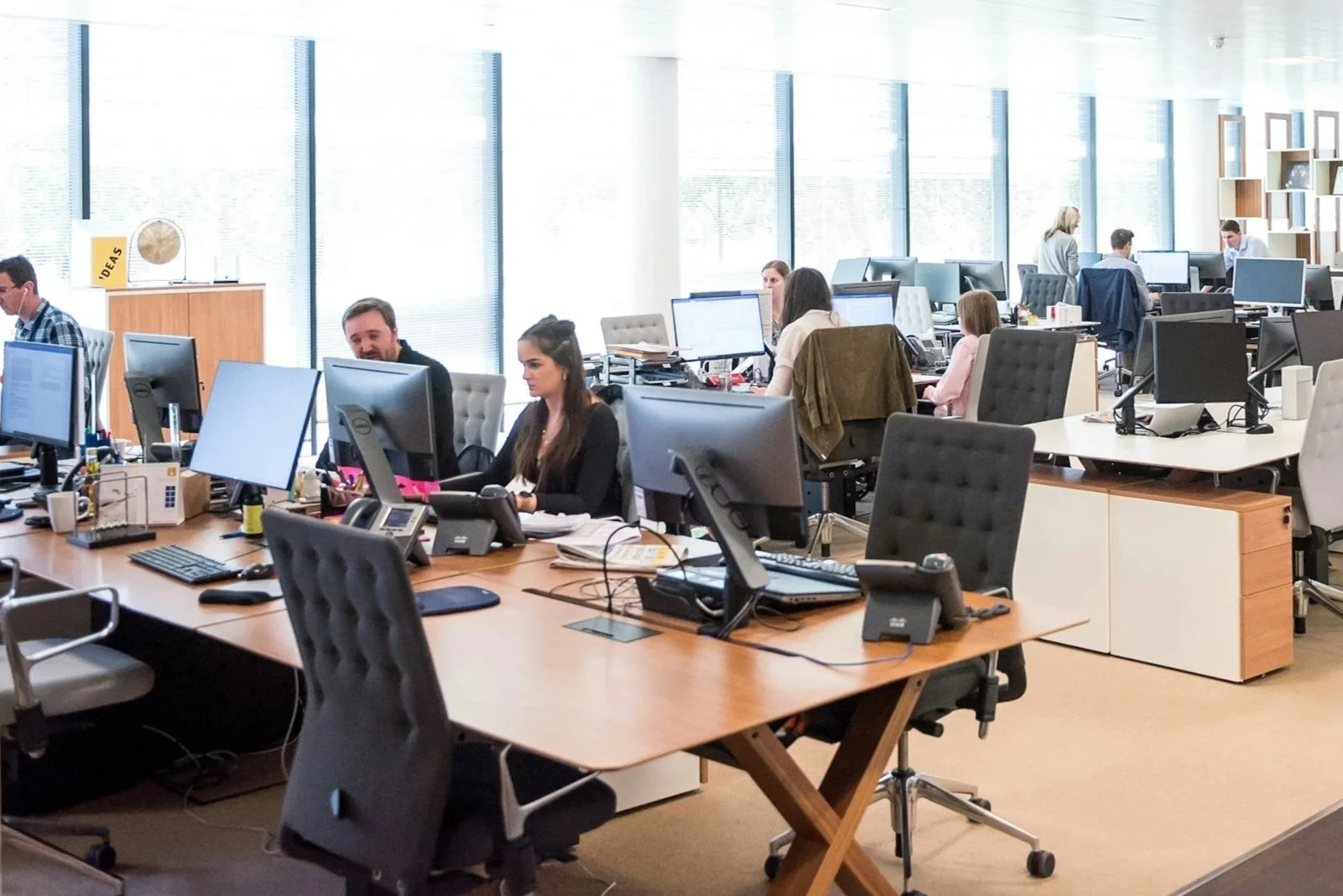
Unlike neighborhoods, media outlets, or even universities, the workplace is one of the last places where people who might not otherwise interact spend extended time together. Employees collaborate across lines of race, gender, politics, religion, and generation—often without choosing who sits next to them. This makes the workplace uniquely suited to foster social contact, the most research-backed method for reducing prejudice and building understanding across difference.
A Better Way Forward
Kleinfeld calls for a shift from performative or compulsory DEI toward approaches that strengthen pluralism and belonging. Research shows that when people work together as equals on shared goals, it can reshape attitudes and behaviors in ways that lectures and checklists rarely do.
Her framework emphasizes four principles:
Inclusion for all. Programs should invite everyone in, not pit groups against each other.
Complex identities. People are more than stereotypes; workplaces should honor layered experiences.
Rigor and curiosity. Real learning comes from evidence-based practices and open dialogue, not avoidance of discomfort.
Agency and possibility. Employees should leave with a sense that change is possible and that they have a role to play.
The takeaway
If we want workplaces to prepare us for a truly pluralistic democracy, DEI cannot be about assigning blame. It must be about building shared purpose, fostering authentic relationships, and giving people the tools to thrive together across differences. The workplace may be one of the last remaining places where we practice this daily—and we cannot afford to get it wrong.
At IGC Institute, we help organizations turn these insights into action with evidence-based tools for inclusion and civic engagement. Contact us to learn how we can help your team build belonging where it matters most.